
Post-Separation Abuse: What Is It and How Can You Protect Yourself?
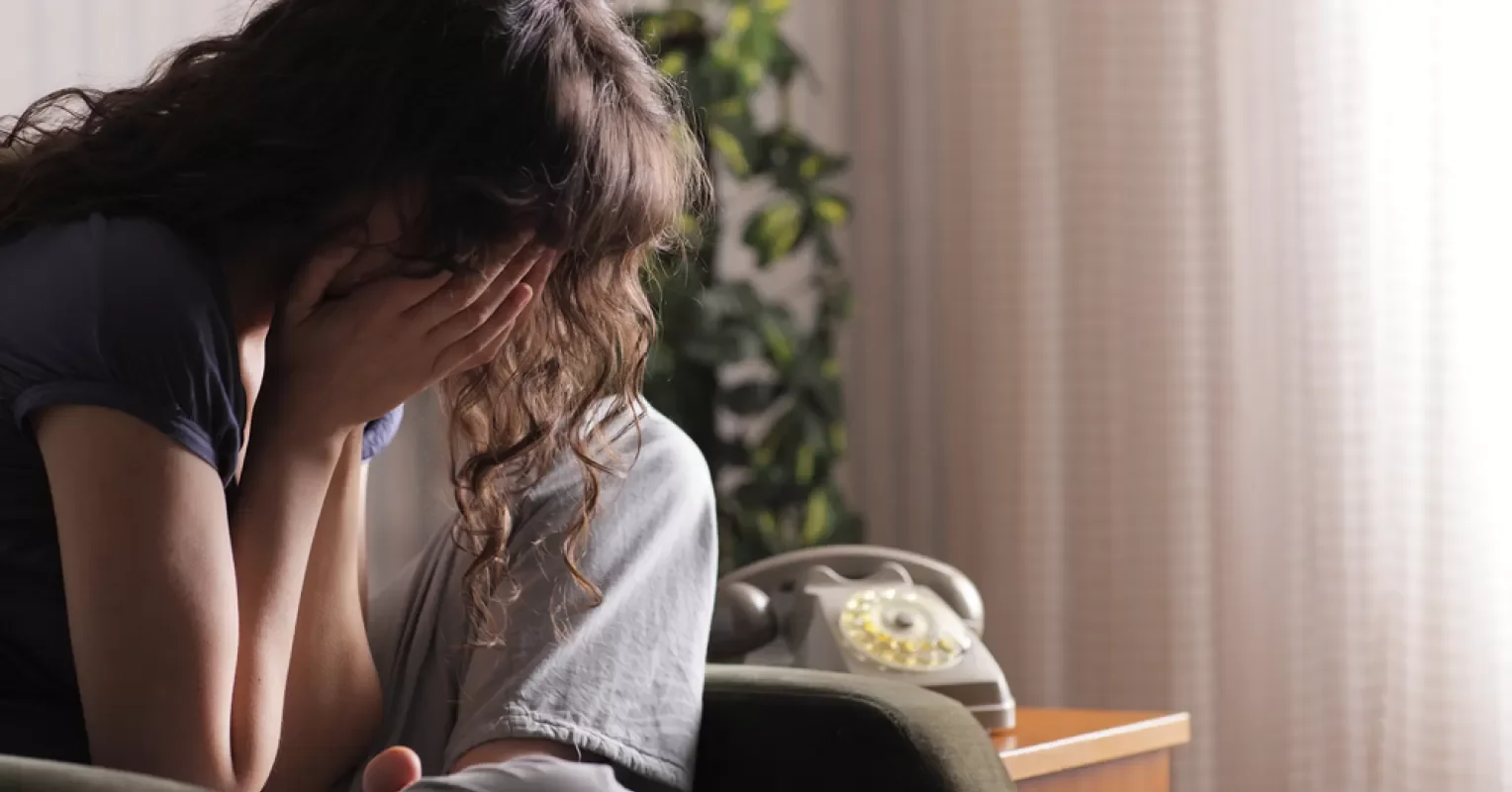
A question that is often asked is, “Why did she stay?”
This question is problematic for many reasons. First, by focusing on the person being abused, it shifts responsibility away from the abuser. Instead, we should be asking, “Why is he continuing to abuse?” Second, when an abusive partner loses power and control due to separation, abusive behaviours often escalate in an attempt to regain that control.
Separation and divorce do not necessarily end the abuse; they frequently change the tactics that are used. Many women understand this reality intuitively and recognize that leaving is complex for reasons that extend beyond the risk of increased abuse.
Barriers that contribute to a survivor's difficulty leaving can include fear of escalation, financial dependence on the abusive partner (particularly when children are involved), concerns about child custody and the possibility of shared parenting arrangements, social isolation from support networks, and emotional attachment to the abusive partner.
Survivors must navigate these barriers carefully while also understanding that the abuse may not stop—it may simply change form.
Post-Separation Abuse
Domestic violence extends far beyond physical violence and does not necessarily end when the relationship ends. In many cases, the abuse continues and may even escalate, sometimes surpassing the abuse experienced during the relationship itself. Post-separation abuse is a sustained campaign of coercive and controlling behaviours used by an abuser to regain power, punish, or harm the survivor.
Post-separation abuse is a form of coercive control that creates ongoing fear and affects all aspects of a survivor's life, including the well-being of their children.
Elements of Post-Separation Abuse
Co-Parenting Sabotage
Co-parenting can become a form of forced ongoing contact with an abuser. Many women find themselves engaging in what is often referred to as "repair parenting"—helping their children recover emotionally after time spent with an abusive parent while preparing them for future visits.
True co-parenting is not possible when one parent is actively seeking to harm the other. Systems often misinterpret this protective work as hostility or "counter-parenting" rather than recognizing it as necessary care, support, and survival. Abusers may undermine parenting decisions, impose conflicting rules and values, or withhold consent for important decisions, causing further harm to the children in an effort to maintain power and control.
Parental Alienation Allegations
The legal system frequently fails women and children, particularly when allegations of parental alienation are used as a legal strategy by abusive partners. Claims of parental alienation have been widely criticized for lacking scientific validity and are disproportionately raised against mothers.
These allegations can function as a distraction tactic, shifting attention away from abuse concerns while positioning abusive men as victims. Children's voices may be overlooked, and women can be silenced by the fear of being labelled uncooperative. When professionals remain neutral in situations involving abuse, children may be exposed to ongoing harm while abusive behaviour continues without accountability.

Financial Abuse
Financial barriers are often a significant obstacle to leaving an abusive relationship. Unfortunately, financial abuse may continue long after separation. Abusers may withhold, mismanage, or delay support payments, obstruct access to shared financial resources, or create barriers to resolving financial matters such as the sale of a home.
Financial abuse may also include intentionally disrupting employment opportunities, interfering with career advancement, or creating circumstances that make it difficult for a survivor to maintain financial independence.
Manipulation, Harassment, and Stalking
Emotional abuse often continues after separation, although the methods may change. Abusive partners may use guilt, gaslighting, threats of self-harm, threats to harm the survivor, children, or loved ones, or spread false narratives intended to damage the survivor's reputation and isolate them from support systems.
Abusers may also engage in stalking, monitoring, or harassment through phone calls, text messages, social media, spyware, or in-person surveillance. The goal is often to intimidate, control, and create ongoing fear.
Ways to Protect Yourself
While every situation is unique, there are practical steps that may help increase safety, strengthen support, and reduce opportunities for ongoing abuse. These strategies are not a substitute for professional legal or safety planning advice, but they may help you navigate the challenges that can arise during and after separation.
Establish clear boundaries. Limit communication with the abusive partner to matters directly related to co-parenting whenever possible. Written communication, such as email or parenting applications like OurFamilyWizard, can provide documentation and reduce conflict.
Document everything. Keep detailed records of abusive incidents, including dates, times, screenshots, and any reports from third parties such as physicians, counsellors, teachers, or other professionals.
Develop a safety plan for yourself and your children. Consider security measures such as cameras at home or work, identify safe places to go if needed, and ensure trusted support people are aware of your situation.
Obtain legal advice to understand your rights and options. Where appropriate, seek support from police, victim services, and community professionals trained in domestic violence and coercive control.
Build a support network. Do not navigate this experience in isolation. Surround yourself with trusted people and professionals who can provide practical assistance, emotional support, and validation. Focus on activities and resources that strengthen your confidence, autonomy, and voice.
Remember that abuse thrives in secrecy and isolation. Seeking support is not a sign of weakness—it is a step toward safety, healing, and reclaiming control over your life and future.
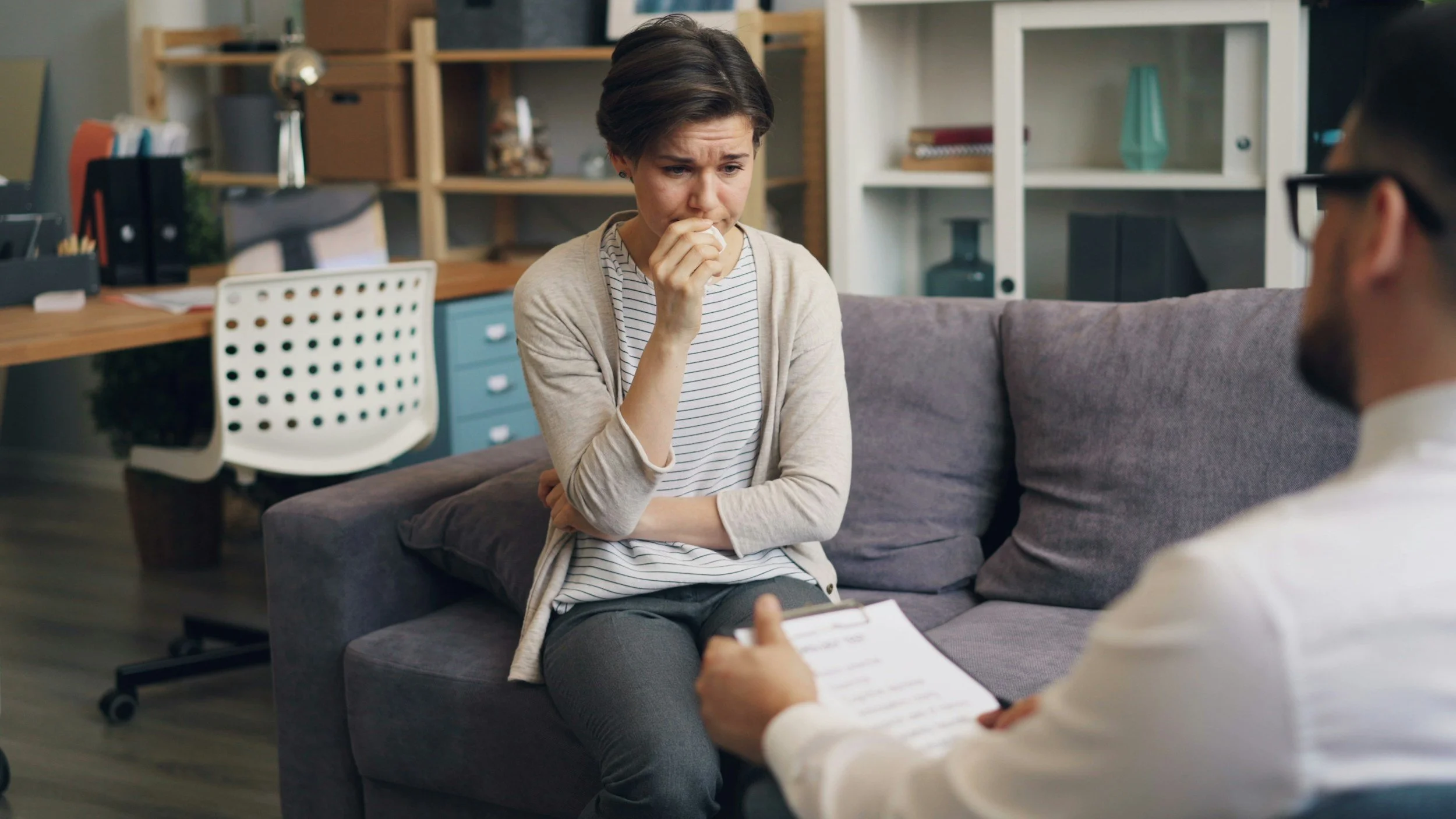
Resources
If you or someone you know needs support, the following resources may be helpful:
SoulSoothe Counselling & Wellness offers counselling for individuals affected by violence and abuse.
When Love Hurts offers support group information, educational articles, and a podcast.
211 Saskatchewan connects individuals with local community resources and support services.
PATHS Saskatchewan provides information about shelters and support services throughout Saskatchewan.
RESOLVE SK has a list of food, shelter, mental health support and other resources available across Saskatchewan.
If you are unable to find the support you need, please contact us by email.
References & Further Reading
Reem Alsalem (United Nations Special Rapporteur on Violence Against Women and Girls), Custody, Violence Against Women and Violence Against Children (2023) https://digitallibrary.un.org/record/4010556?ln=en&v=pdf#files
Barry Goldstein, Parental Alienation as a Distraction Tactic (Center for Judicial Excellence, 2021) https://centerforjudicialexcellence.org/2021/11/22/alienation-distraction-tactics-essay-by-barry-goldstein/
Simon Lapierre et al., Abused Women as “Alienating” Mothers and Violent Men as “Good” Fathers: Double Standards in Child Protection and Child Custody Proceedings (Journal of Family Violence, 2020) https://doi.org/10.1007/s10896-019-00107-x
Claudia Leonetti, The Pseudoscience of “Parental Alienation Syndrome” (University of Auckland, 2023) https://www.auckland.ac.nz/en/news/2023/11/15/the-pseudoscience-of--parental-alienation-syndrome--.html
Government of British Columbia, Ministry of Children and Family Development, Best Practice Approaches: Child Protection and Violence Against Women (2017) https://www2.gov.bc.ca/assets/gov/public-safety-and-emergency-services/public-safety/protecting-children/best_practice_approaches_policy.pdf
World Health Organization (WHO), Information Regarding Parental Alienation and ICD-11 https://www.who.int/standards/classifications/frequently-asked-questions/parental-alienation